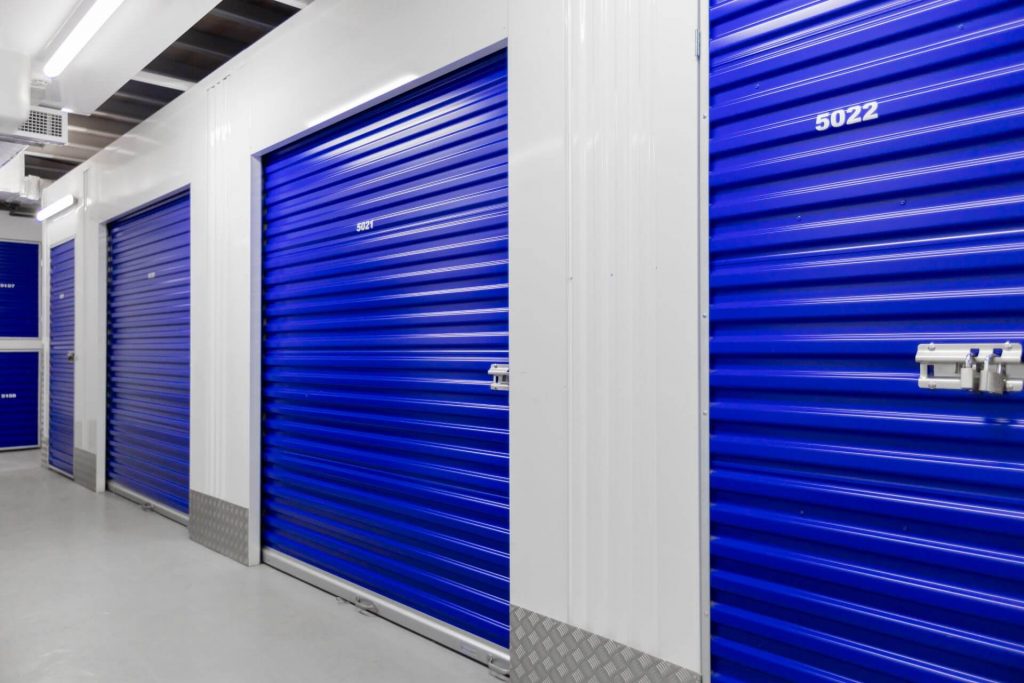
Storm clouds, rising temperatures, heavy rain, and fierce winds put buildings to the test. Storage operators prepare with sturdy construction, reliable drainage, backup power, and emergency procedures. Their goal stays simple: protect customer belongings while keeping people safe.
Across changing seasons, modern self storage facilities in Dubai use practical safeguards to limit weather damage and restore normal service promptly in vulnerable areas.
Strong buildings resist harsh conditions
Facility design starts with materials suited to local climate risks. Reinforced roofs, secure doors, and sealed wall joints help withstand gusts and driving rain. Operators inspect roof surfaces, gutters, exterior panels, and entry points regularly. They secure loose outdoor equipment, trim branches, and clear debris around buildings before storms arrive.
Drainage systems control heavy rain
Flooding threatens stored furniture, electronics, and documents. Well maintained sites use sloped grounds, storm drains, sump pumps, and raised thresholds to direct water away. Staff check drains regularly and remove leaves or rubbish that block water flow. Flood prone sites may raise units and stock sandbags.
Temperature controls protect sensitive items
Extreme heat can damage photographs, wooden furniture, fabrics, and electronics. Cold spells may cause condensation. Climate controlled units use heating, ventilation, and cooling systems to maintain stable indoor conditions. Sensors track temperature and humidity, while alerts notify managers when readings move beyond set limits. Customers should choose a unit suited to stored goods.
Backup power keeps systems running
Severe weather can interrupt electricity and affect gates, cameras, alarms, and climate control. Backup generators and battery systems help essential equipment stay active during outages. Managers test backup supplies, inspect fuel levels, and keep emergency lighting ready during storm season. Clear staff procedures guide access restrictions, customer updates, and safe reopening after a storm passes.
Insurance and communication support recovery
Good preparation includes clear rental terms, insurance options, and reliable communication. Facility teams share weather alerts, explain access changes, and provide updates through email or text. Customers protect valuables with suitable containers, raised pallets, and waterproof wrapping. After severe weather, staff inspect buildings, document damage, and contact affected renters with practical guidance.
Extreme weather brings uncertainty, but sound construction and routine checks reduce avoidable losses. Customers should review facility safeguards, ask about emergency procedures, and keep an updated inventory of stored goods. A well prepared storage centre protects property, supports staff safety, and helps renters regain confidence after difficult weather.